






When to take magnesium and which type to choose for better sleep
Magnesium has become one of those essentials many of us keep on the nightstand. But as soon as you start looking into it, the questions pile up: morning or night? With food or on an empty stomach? Bisglycinate, citrate, or whichever is cheapest? In this guide we explain when to take magnesium, which types of magnesium exist, and which one fits best depending on what you're looking for, especially if your goal is to rest better.
What is magnesium for?
Magnesium is a mineral involved in more than 300 reactions in the body. It contributes to the normal functioning of the nervous system and muscles, to normal psychological function, and to the reduction of tiredness and fatigue. The reference intake for an adult is 375 mg a day, and most of it should come from food: nuts, seeds, legumes, leafy greens, whole grains, or pure cacao.
The problem is that today's pace of life, stress, intense exercise, or a diet heavy in ultra-processed food mean we don't always get there. That's why many people turn to a supplement, especially when they notice muscle tension, tiredness, or find it hard to switch off at night.
When to take magnesium: morning or night?
The short answer: there's no single time that works best for everyone. What matters most is taking it consistently, every day. From there, you can adjust the timing to your goal:
- If you want to relax and sleep better: take it in the evening, between 30 minutes and 2 hours before bed. It's the time most people choose, because it fits the sense of calm they associate with magnesium.
- If you're after energy or muscle recovery: you can take it in the morning or after training.
- If you take a high dose or have a sensitive stomach: split it into two doses, one in the morning and one at night.
Should you take magnesium with food or on an empty stomach?
For most people, it's better to take magnesium with food. It's better tolerated, reduces possible digestive discomfort, and doesn't meaningfully affect absorption. If you take it at night, you can have it with dinner or with a herbal tea before bed.
There are a few combinations worth watching. Magnesium can reduce the absorption of certain antibiotics (tetracyclines and quinolones), bisphosphonates for osteoporosis, and thyroid medication, so the usual advice is to keep them at least two hours apart. It's also best not to take it at the same time as high doses of iron or zinc. If you take any medication or have kidney problems, check with your doctor before starting.
What types of magnesium are there and how do they differ?
Magnesium always comes bound to another molecule, and that bond changes how it's absorbed and how it sits with you. These are the most common types of magnesium:
- Magnesium bisglycinate: bound to glycine, an amino acid with a calming effect. It's well absorbed and very gentle on the stomach, which is why it's the most popular choice for the evening.
- Magnesium citrate: good absorption and a mild laxative effect. Worth considering if you also want to support regularity.
- Magnesium taurate or acetyl taurate: bound to taurine. Often chosen for routines focused on calm and the nervous system.
- Magnesium oxide: provides a lot of magnesium per capsule, but is less well absorbed and can upset the stomach. It's the cheapest, and there's a reason for that.
- Magnesium chloride: very popular in powder form, with a strong taste and a certain laxative effect.
Many current supplements combine several forms to get the best of each, and often add vitamin B6, which contributes to the normal functioning of the nervous system.
What is the best magnesium for sleep?
If your goal is rest, the forms that fit best are bisglycinate and taurate, thanks to their good tolerance and their link with calm. Formulas that combine several forms are also a good option.
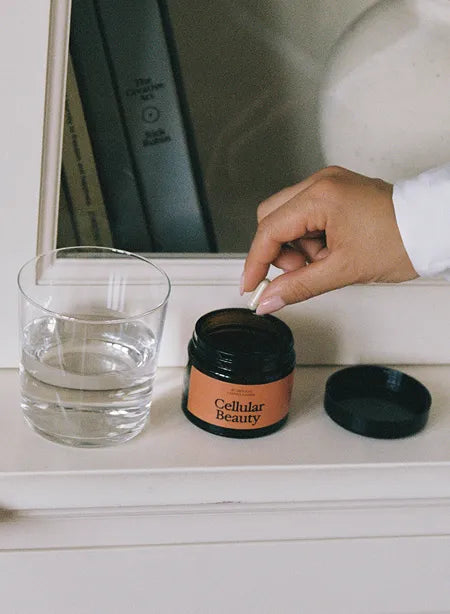
At Dr.You we have two options, depending on what you prefer. If you're looking for a formula with three highly bioavailable forms (acetyl taurate, bisglycinate, and citrate) plus vitamin B6, designed for relaxation and muscle function:
If you'd rather have one daily capsule that brings together six forms of magnesium with vitamin B6, for energy, recovery, and a calm mind:
Can you take magnesium and melatonin together?
Yes, and it's one of the most common combinations for sleep. They work differently: melatonin contributes to the reduction of time taken to fall asleep (from 1 mg taken shortly before bedtime), while magnesium supports relaxation. Together they cover both sides of the problem: switching off and falling asleep.
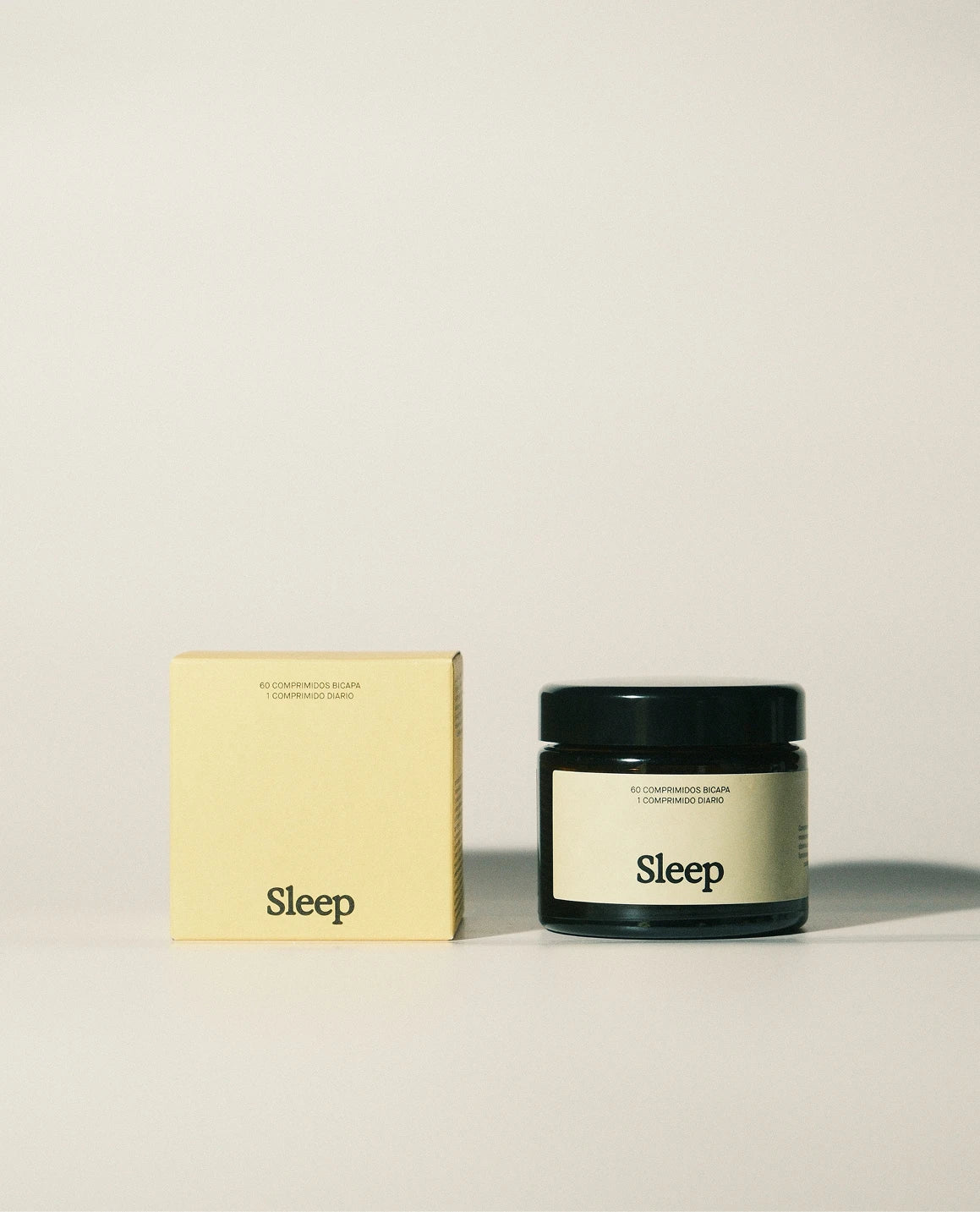
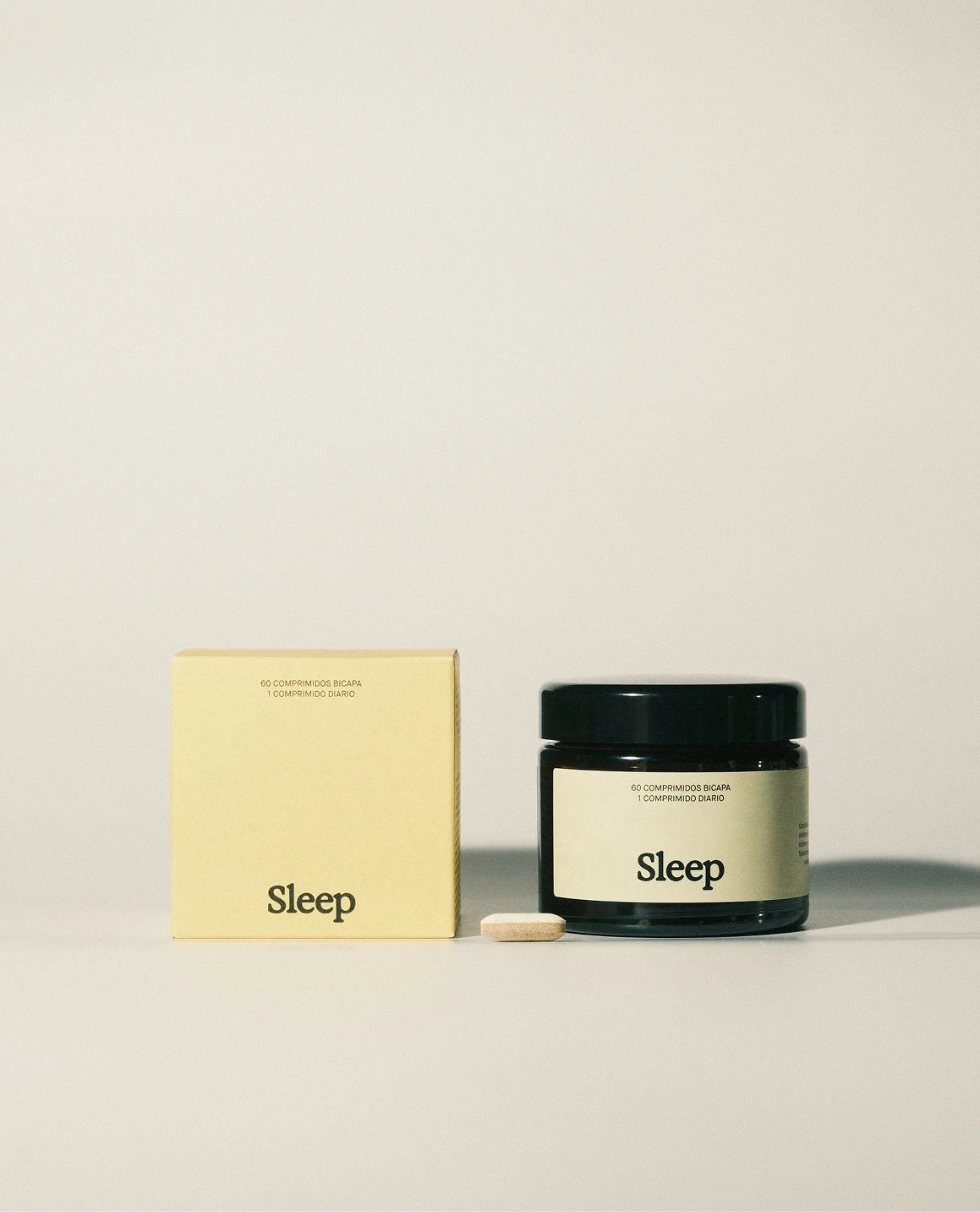
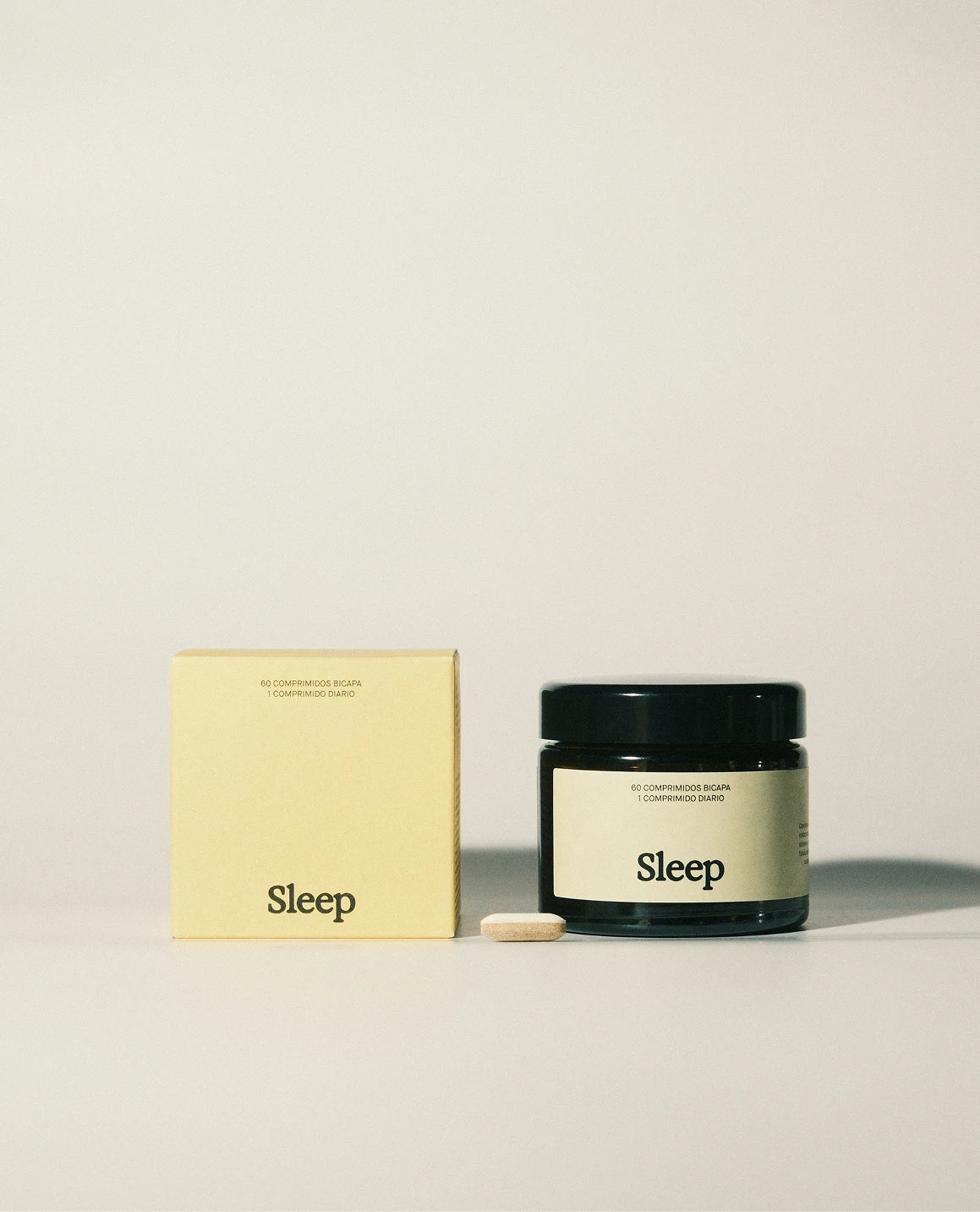
So you don't have to mix your own cocktail, at Dr.You we formulated Sleep, which combines magnesium, GABA, and 1.9 mg of prolonged-release melatonin with valerian and lemon balm, to help you fall asleep and settle into deep rest:

You can see all our options for rest in our collection of sleep supplements.
How long does magnesium take to work?
The feeling of relaxation can show up within a few days, especially if you take it at night. If you're trying to restore low levels, the body needs a bit more time: the usual approach is to see how you feel after a few weeks of consistent use.
Frequently asked questions about magnesium
Can you take magnesium every day?
Yes, it's meant to be taken daily. The key is to stick to the recommended dose: too much magnesium from supplements usually shows up as loose stools or diarrhea.
Does magnesium make you sleepy?
It doesn't work like a sleeping pill, but because it contributes to the relaxation of the nervous system and muscles, many people find it easier to switch off at night.
Can I take magnesium if I exercise?
Yes. During intense exercise you lose minerals through sweat, and magnesium contributes to normal muscle function and the reduction of tiredness and fatigue. In that case, you can take it after training.
Who shouldn't take magnesium without checking first?
People with kidney disease and anyone taking the medication mentioned above. During pregnancy and breastfeeding, check with your healthcare professional as well.
Taking care of yourself shouldn't feel complicated, and neither should choosing a magnesium. If you'd like help finding yours, drop by our shop at Calle Pelayo 43 in Madrid, or write to us.